The Greater Toronto Area (GTA) housing market continued to gain momentum in June 2026, offering one of the clearest signs yet that conditions may be shifting after a cautious start to the year.
For much of the past 12 months, buyers have benefited from greater choice, softer pricing, and stronger negotiating power. Those advantages haven't disappeared—but they may not be as abundant if current trends continue.
June saw home sales increase while new listings declined, gradually tightening market conditions across the GTA. While affordability remains improved compared to last year, inventory is becoming more limited, and competition is beginning to return in some neighbourhoods.
If you're planning to buy, sell, or simply keeping an eye on the Toronto real estate market, here's what you need to know.
Toronto Home Sales Continue to Climb
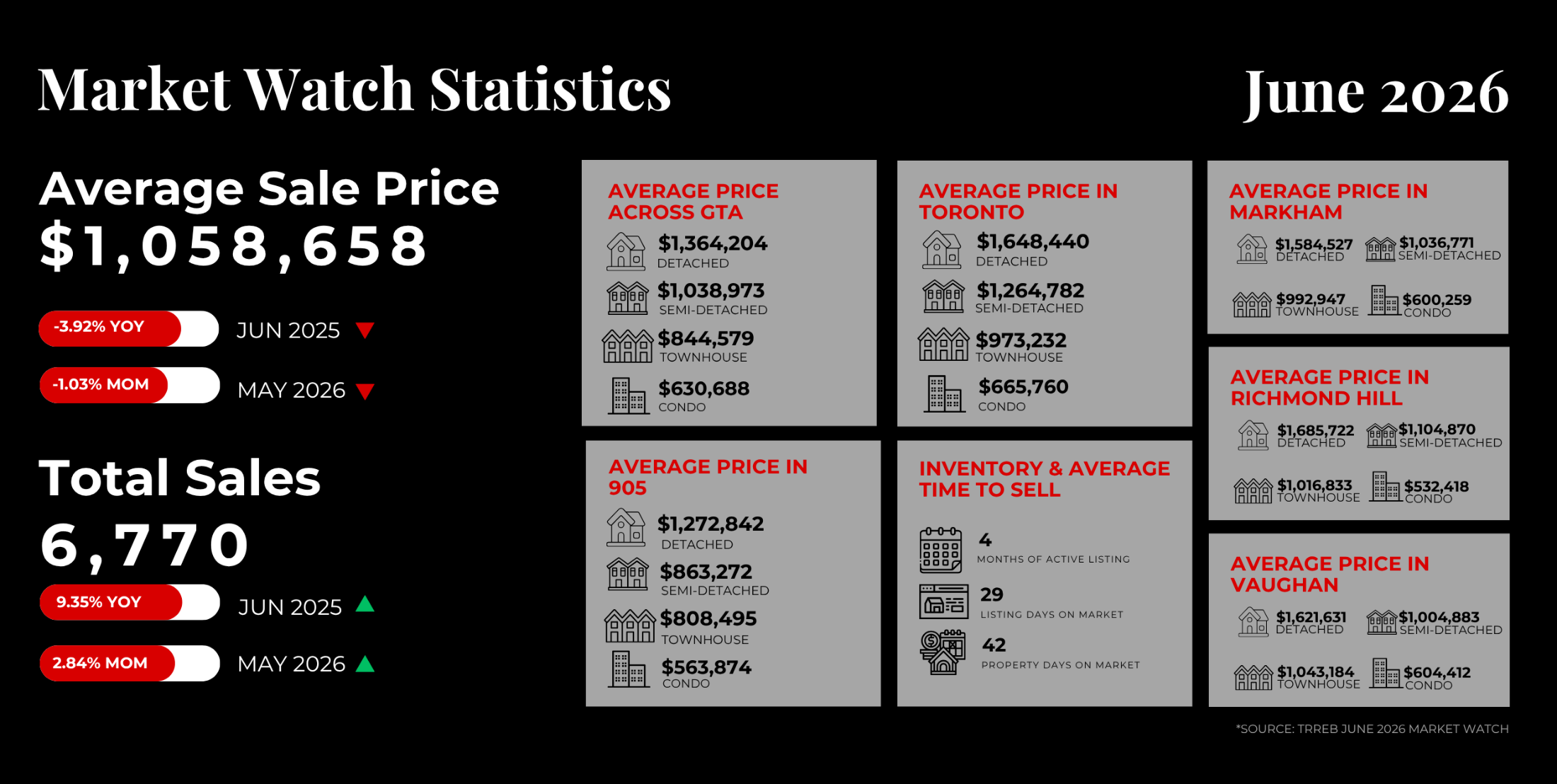
According to the Toronto Regional Real Estate Board (TRREB), GTA REALTORS® reported 6,770 home sales in June 2026, representing a 9.4% increase compared to June 2025.
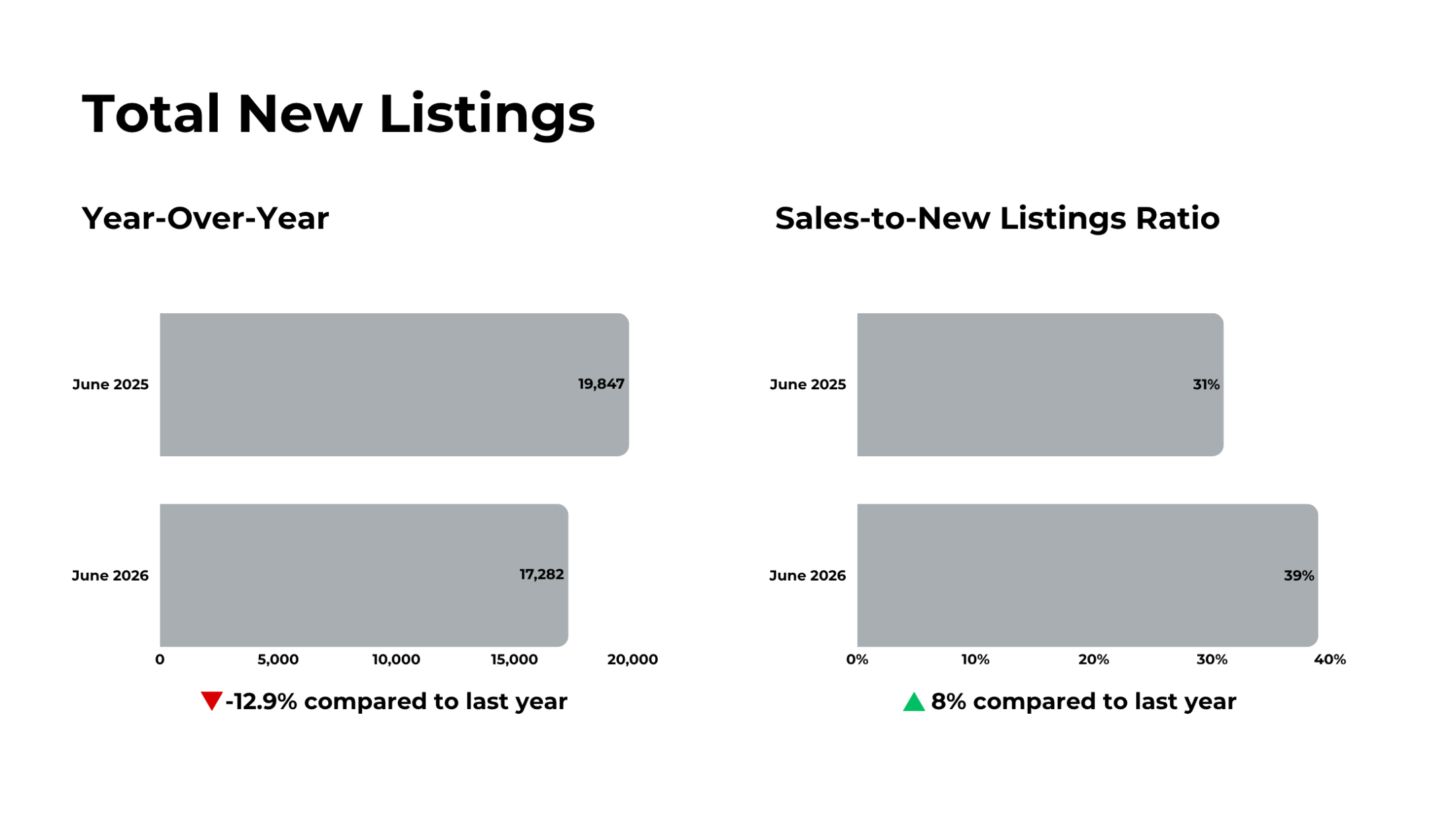
At the same time, 17,282 new listings entered the market, down 12.9% year over year.
This combination of rising sales and fewer new listings points to gradually tightening market conditions. Buyers are becoming more active while the number of available homes is no longer growing at the same pace.
Seasonally adjusted data also showed that compared to May, home sales increased while new listings declined, reinforcing the trend that developed throughout the spring market.
GTA Home Prices Are Stabilizing
While home prices remain below last year's levels, the pace of decline continues to slow.
In June 2026:
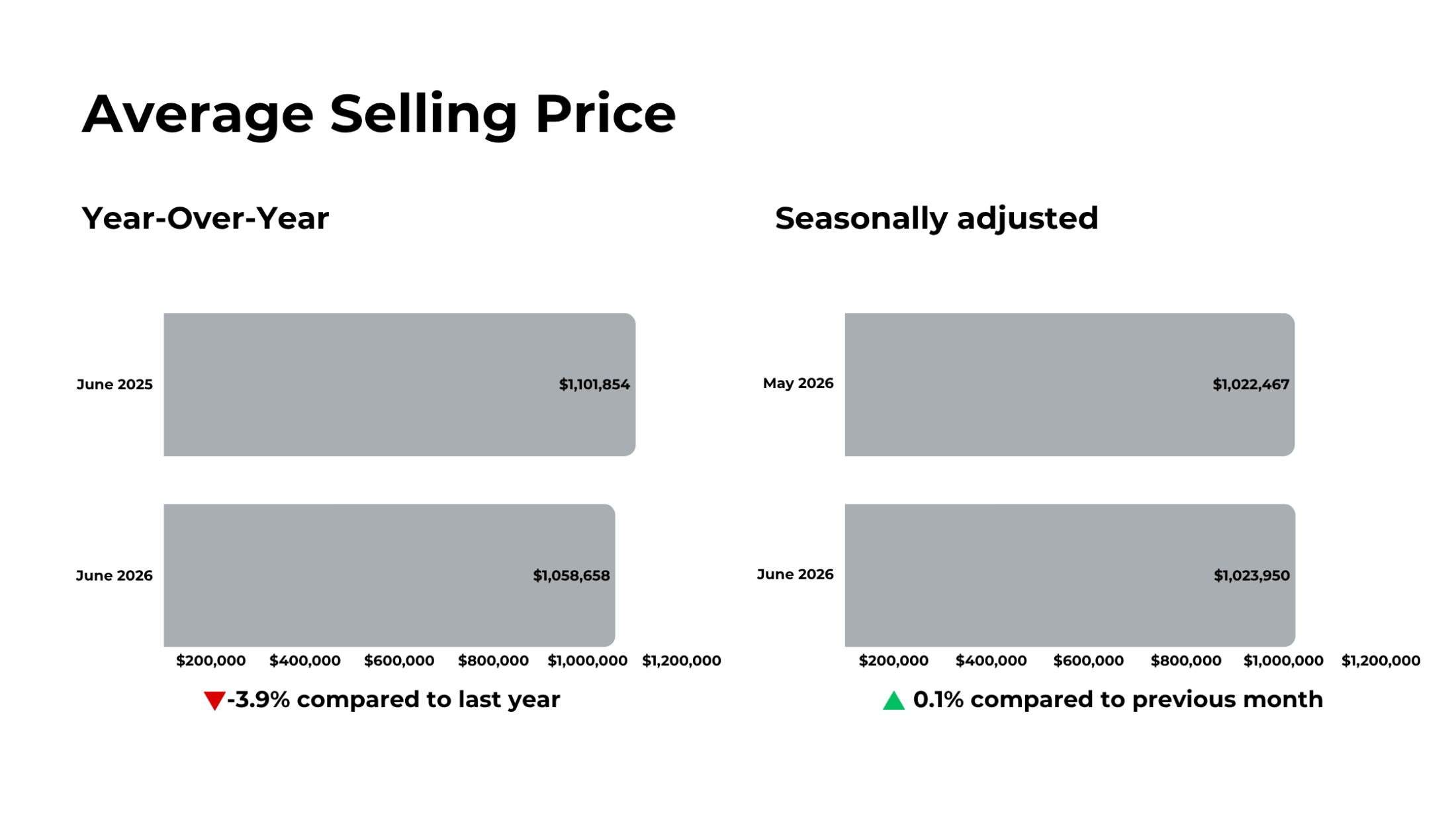
Average GTA home price: $1,058,658
Average selling price: Down 3.9% year over year
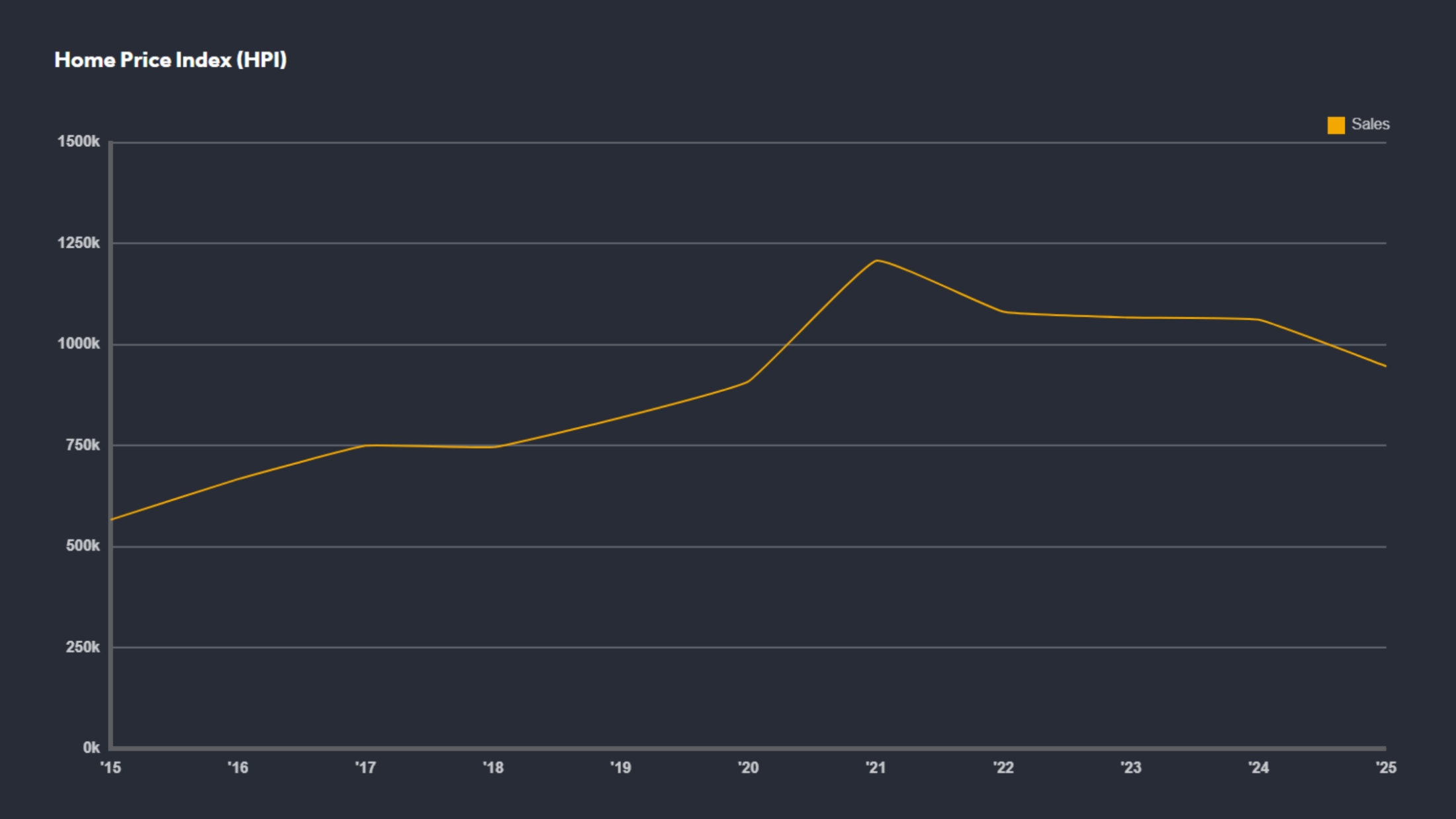
MLS® Home Price Index (HPI): Down 5.4% year over year
More importantly, both the average selling price and the MLS® HPI posted modest month-over-month increases after seasonal adjustment.
This suggests that prices may be beginning to stabilize after a prolonged period of softer market conditions.
Rather than seeing sharp downward pressure, the market appears to be moving toward a more balanced environment.
What Does This Mean for GTA Home Buyers?
Buyers continue to benefit from improved affordability compared to recent years.
Mortgage borrowing costs have eased from previous highs, and prices remain lower than they were a year ago. Combined with a more balanced market, this has created opportunities that many buyers have been waiting for.
However, the landscape is beginning to change.
As more buyers return to the market and fewer new listings become available, competition could gradually increase through the second half of 2026.
For buyers who have been waiting for the "perfect" moment, it's worth recognizing that today's negotiating conditions may not remain the same if inventory continues to tighten.
What Does This Mean for GTA Home Sellers?
The market is becoming more encouraging for sellers.
Although prices have not fully recovered, stronger buyer activity means well-priced homes in desirable neighbourhoods may begin attracting increased attention.
This doesn't mean every property will sell quickly.
Pricing strategy, presentation, location, and property type continue to play a significant role in today's market.
The difference is that sellers may begin benefiting from improving market conditions if buyer demand continues strengthening while listing inventory remains limited.
Why Inventory Matters
Inventory has been one of the biggest stories throughout 2026.
When new listings decline while buyer demand increases, the balance between supply and demand begins to shift.
That shift doesn't immediately create a seller's market, but it often lays the foundation for:
More competition among buyers
Shorter time on market for well-priced homes
Improved negotiating conditions for sellers
Greater price stability
This is exactly the trend that appears to be developing as the GTA moves into the second half of the year.
Housing Affordability Remains a Key Issue
TRREB also highlighted the continued impact of development charges on housing affordability.
Development charges can account for up to 20% of the purchase price of a newly built home, increasing costs for both buyers and renters.
TRREB has expressed support for the proposed Canada–Ontario Development Charge Reduction Program, which aims to reduce these costs while allowing municipalities to continue funding critical infrastructure.
If implemented effectively, measures like these could help improve long-term housing affordability across the Greater Toronto Area.
June 2026 GTA Market Snapshot
📌 Average Home Price: $1,058,658 (↓ 3.9% year over year)
📌 Home Sales: 6,770 (↑ 9.4% year over year)
📌 New Listings: 17,282 (↓ 12.9% year over year)
📌 MLS® HPI Composite Benchmark: (↓ 5.4% year over year)
📌 Month-over-Month Trend: Sales increased while new listings declined, with both average price and the MLS® HPI posting modest gains after seasonal adjustment.
Looking Ahead: Is the GTA Housing Market Recovering?
The first half of 2026 has unfolded largely as expected.
After a quieter first quarter, the second quarter brought stronger buyer activity and signs that the market is beginning to tighten.
While it's too early to declare a full recovery, several indicators suggest momentum is building.
If home sales continue rising while new listings remain constrained, competition could increase through the remainder of the year. That may gradually support price stability and encourage more buyers who have been waiting on the sidelines to re-enter the market.
Every neighbourhood responds differently to changing market conditions. While headlines provide a useful overview, understanding what's happening in your local area remains the most valuable insight.
Whether you're thinking about buying, selling, investing, or simply staying informed, knowing how these broader trends translate to your neighbourhood can help you make more confident real estate decisions.